Mathew Wylie – Embracing Imperfection
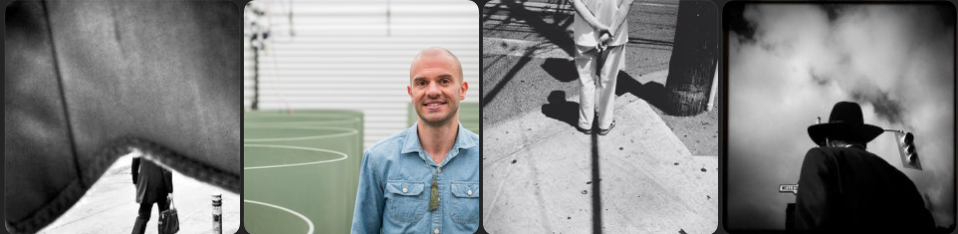
Mathew Wylie
My latest featured photographer for the Mono Vision challenge is Mathew Wylie, often described as a contemporary Texan street photographer. His work immediately unsettles my usual instincts about photography — and perhaps that is precisely the point.
Wylie is known for producing atmospheric street images using mobile devices and vintage camera apps such as Hipstamatic. Instead of pursuing sharpness, dynamic range and technical refinement, he leans into softness, grain, colour shifts and light leaks. His photographs feel instinctive, immediate and unapologetically imperfect.
Style Over Precision
What strikes me most about Wylie’s work is its deliberate rejection of polish.
His images often contain:
Heavy grain
Muted or distorted colour palettes
Slight blur or softness
Loose, almost casual framing
And yet, they are not careless.
There is mood. There is atmosphere. There is often a solitary figure caught in a shaft of light or dissolving into shadow. The buildings feel permanent; the people transient. The frame feels like a fragment of memory rather than a carefully engineered composition.
For someone like me — a simple soldier and engineer— this is challenging. My instinct is to control, refine, optimise. Wylie appears to do the opposite: he responds.
Technique as Attitude
It would be easy to dismiss this approach as “just snapshots.” I initially felt that myself.
But the more I look, the more I realise the technique is philosophical. By using tools that introduce imperfections, Wylie removes the pressure of technical perfection. The camera becomes less important than the moment. The photograph becomes less about accuracy and more about feeling.
It raises uncomfortable questions:
Do I overthink my images?
Am I hiding behind technical quality?
What happens if I simply react?
My Response So Far
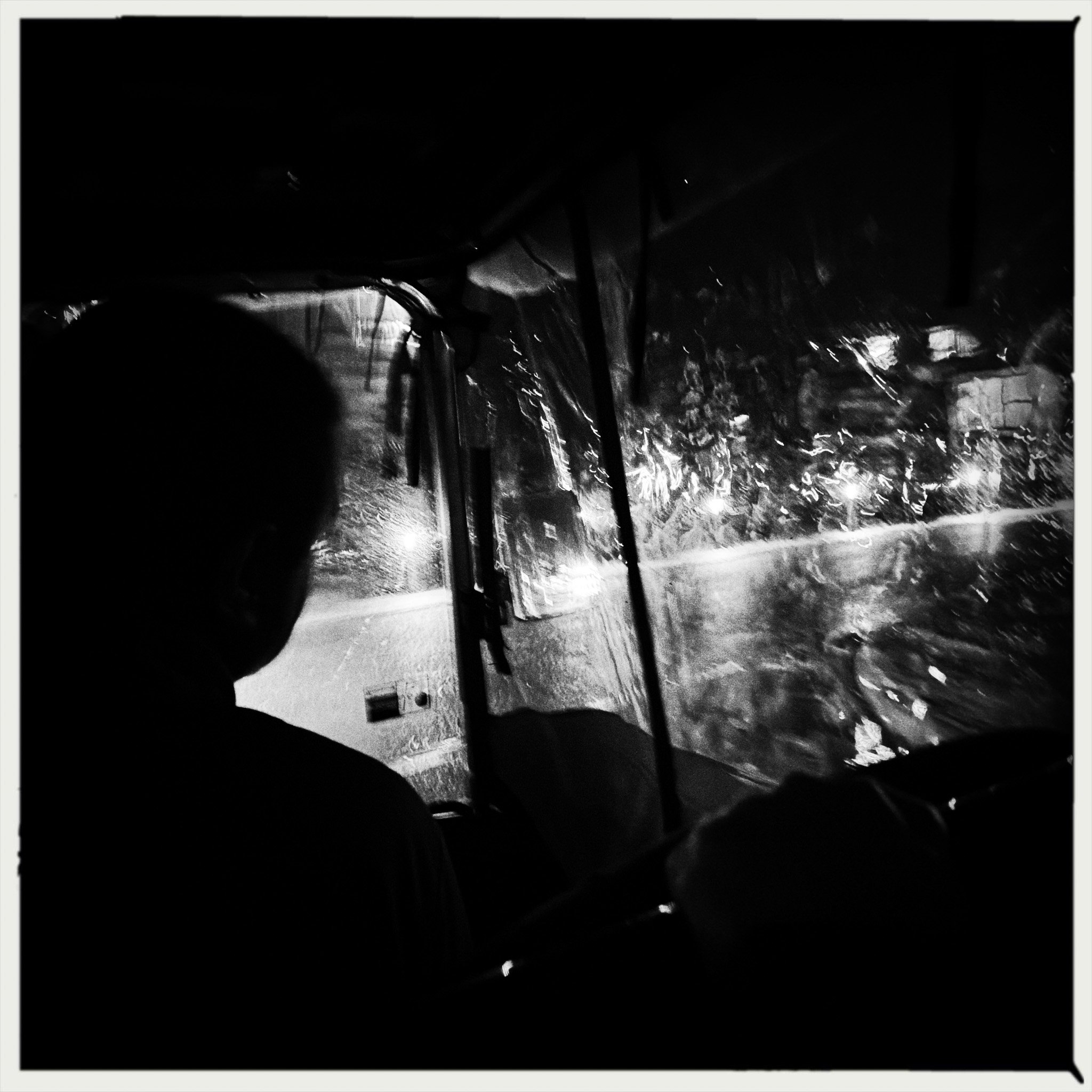
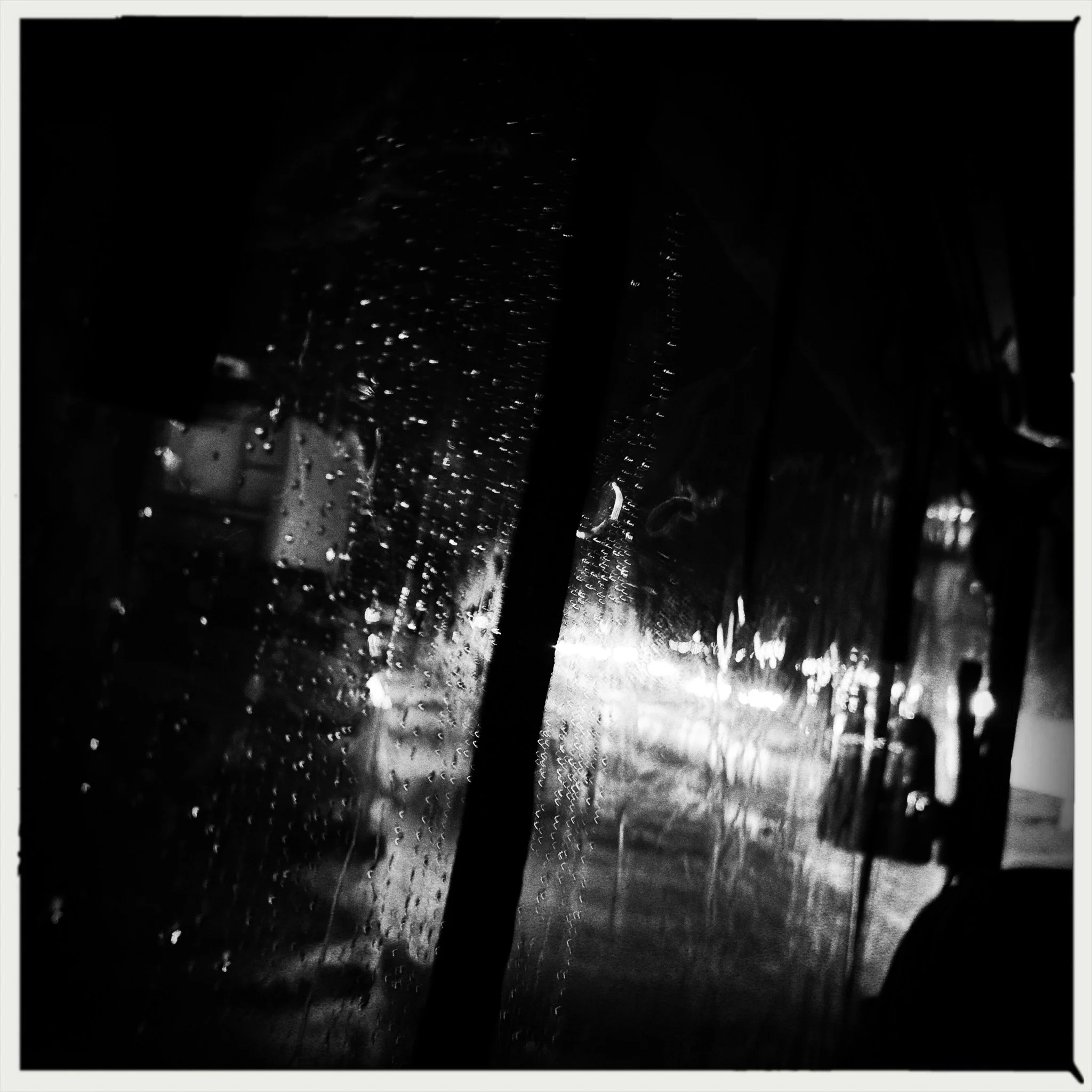
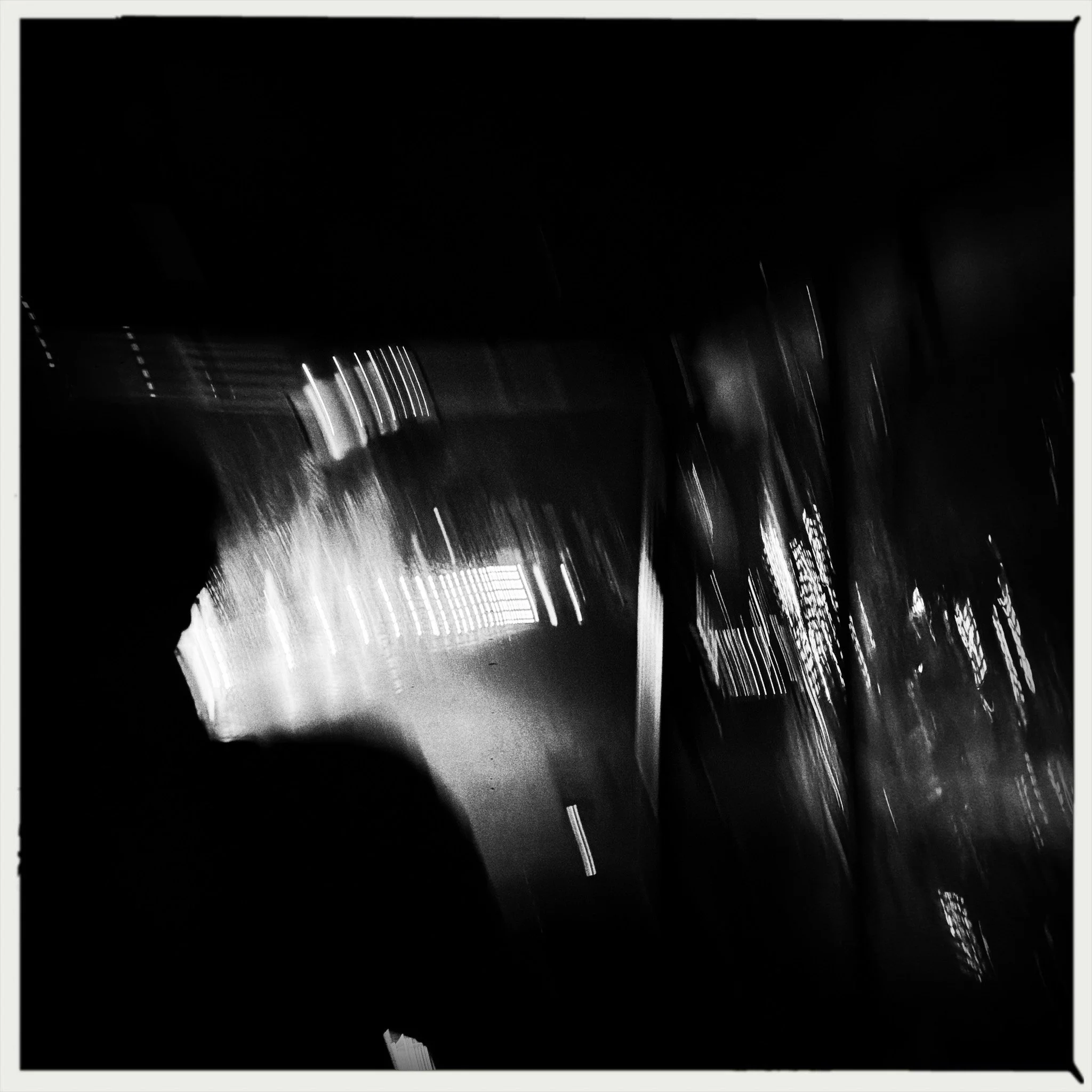
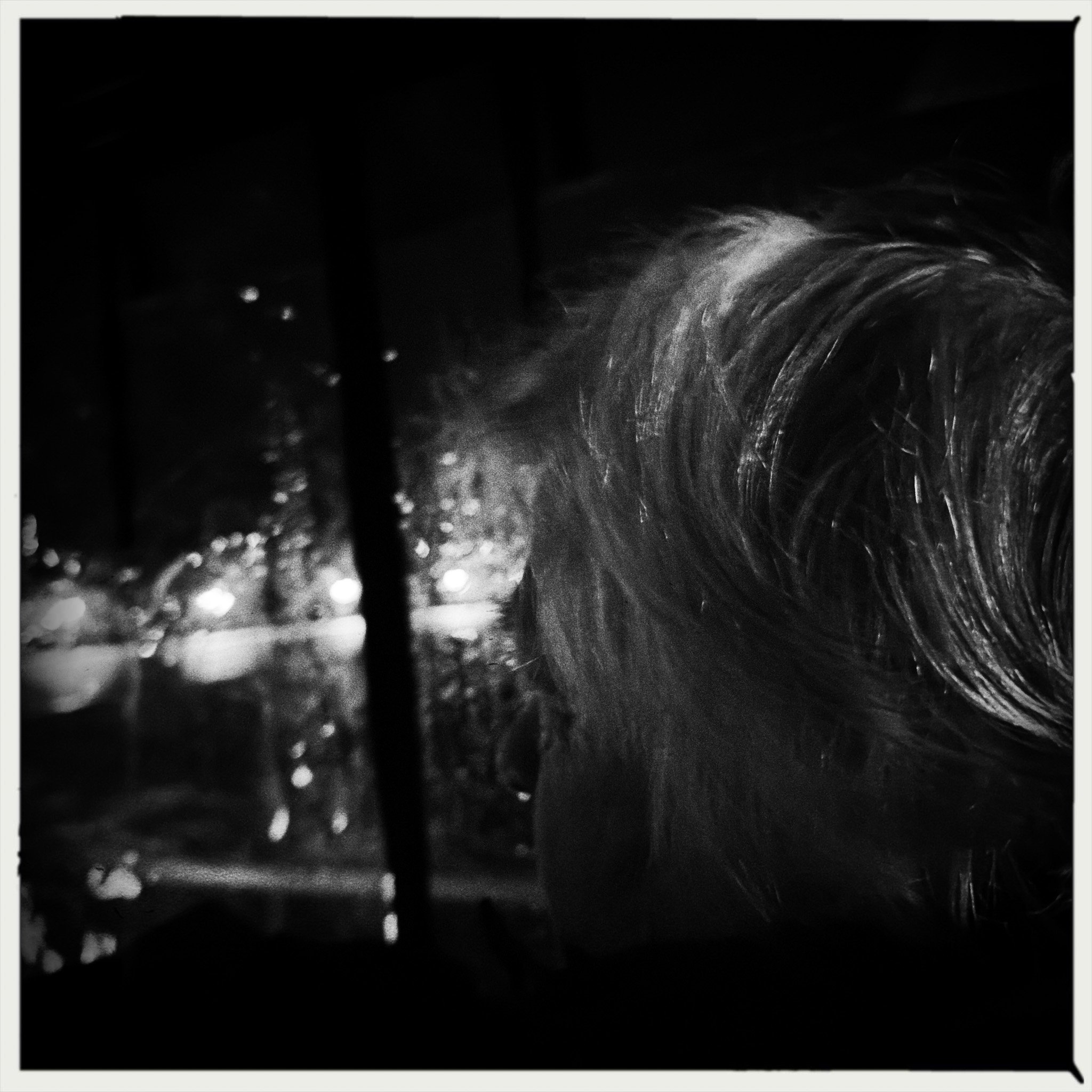
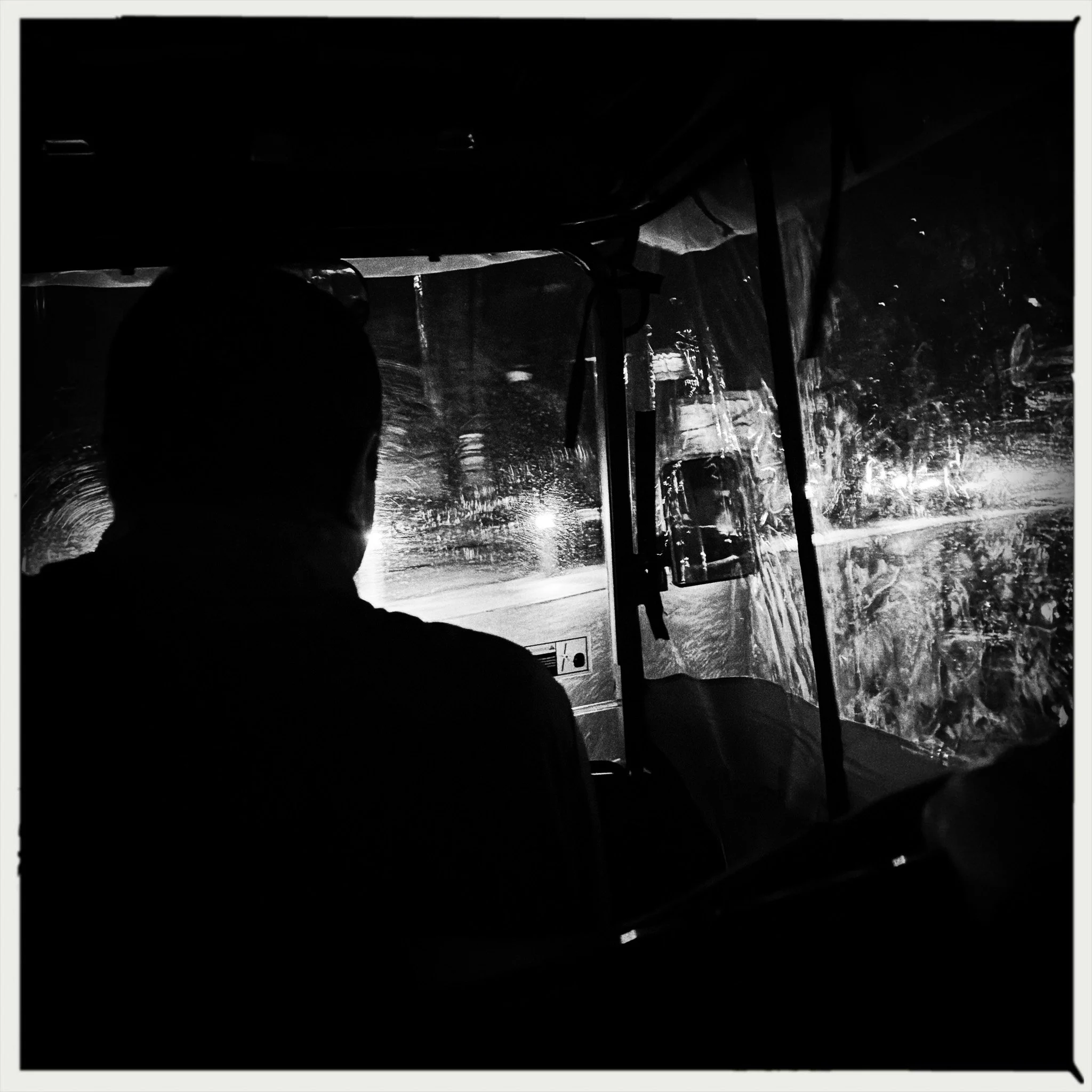
In experimenting with his style, I have found myself producing images that feel raw — sometimes too raw. They look like snapshots. They lack the careful construction I am used to.
And yet, perhaps this is the start rather than a dead end.
Wylie’s real influence may not be in copying his aesthetic, but in understanding his attitude: permission to shoot instinctively, to accept imperfection, to value atmosphere over precision.
I am not sure I have grasped that yet. But I suspect that wrestling with it is exactly the purpose of the assignment.