Photographer Spotlight: Jaume Llorens
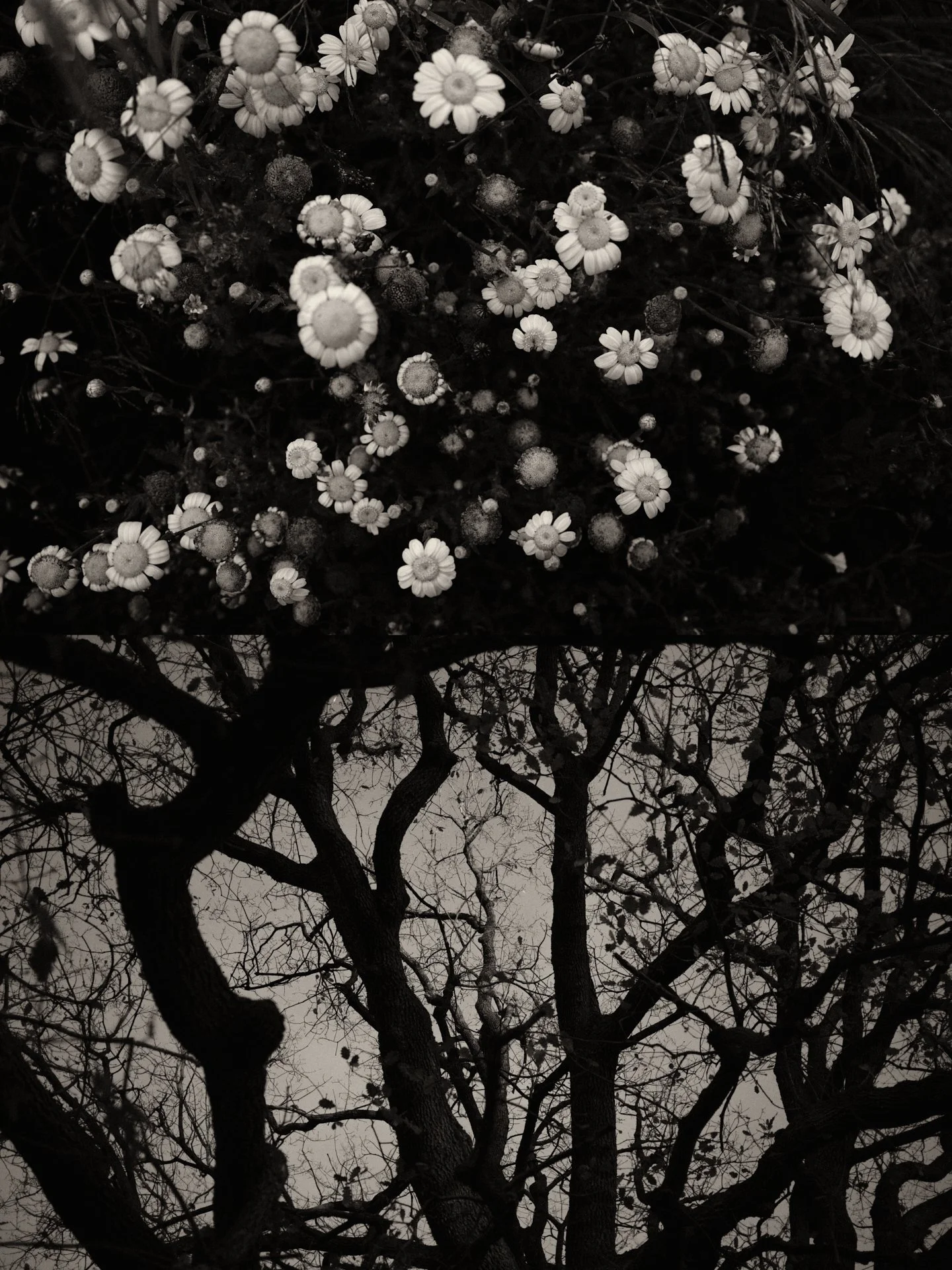
Image by Jaume llorens
For my current course assignment, the featured photographer I’ve been asked to respond to is Jaume Llorens, a Spanish fine-art photographer whose work sits firmly outside conventional photographic categories. Llorens’ images are quiet, ambiguous, and often unsettling in the best possible way. They don’t explain themselves quickly. Instead, they invite you to pause, look again, and question what you are seeing — and just as importantly, how the image has been constructed.
A practice built on combination and ambiguity
One of the key aspects of Llorens’ work — and something our instructor has strongly emphasised — is his use of combined images. These are not obvious composites or digital tricks. The joins are subtle, often invisible, and the result feels strangely coherent even when logic suggests it shouldn’t. Landscapes merge with skies that feel psychologically charged rather than meteorologically accurate. Architectural forms appear slightly displaced. Scale is uncertain. Perspective is gently wrong. The images feel believable, but only just. This deliberate ambiguity is central to the emotional power of the work. Llorens is not documenting places as they are; he is constructing places as he feels them.
Mood over description
Much of Llorens’ work sits in a muted tonal range — often monochrome or near-monochrome — where atmosphere takes precedence over detail. There is very little visual noise. Elements are reduced to essentials: horizon, form, texture, light. The result is imagery that feels introspective and psychological. These are not photographs that reward a quick glance; they ask for time and attention.
Why this matters for the assignment
What makes Jaume Llorens particularly interesting in the context of this assignment is that his work challenges several habits many of us fall into: treating a photograph as a single, literal moment; aiming for clarity rather than uncertainty; prioritising technical perfection over emotional coherence. Responding to his work isn’t about copying style, but about asking different questions. What happens if the image doesn’t fully resolve? Can combining photographs create something more truthful than a single exposure? How far can we push ambiguity before it becomes confusion? These are ideas I’ll be exploring in my own responses over the coming weeks.
Explore Jaume Llorens’ work
You can see more of Jaume Llorens’ photography here.
A brief introductory article with a few of his later pieces: