Photographer Focus: Masao Yamamoto — The Beauty of Quiet Things
My latest assignment photographer, Masao Yamamoto, is challenging me to think a little more artistically. He is very much an artist who uses photography, whereas I come at it as an engineer who happens to take photographs. There’s an interesting tension there — the practical mindset meeting a more intuitive way of seeing.
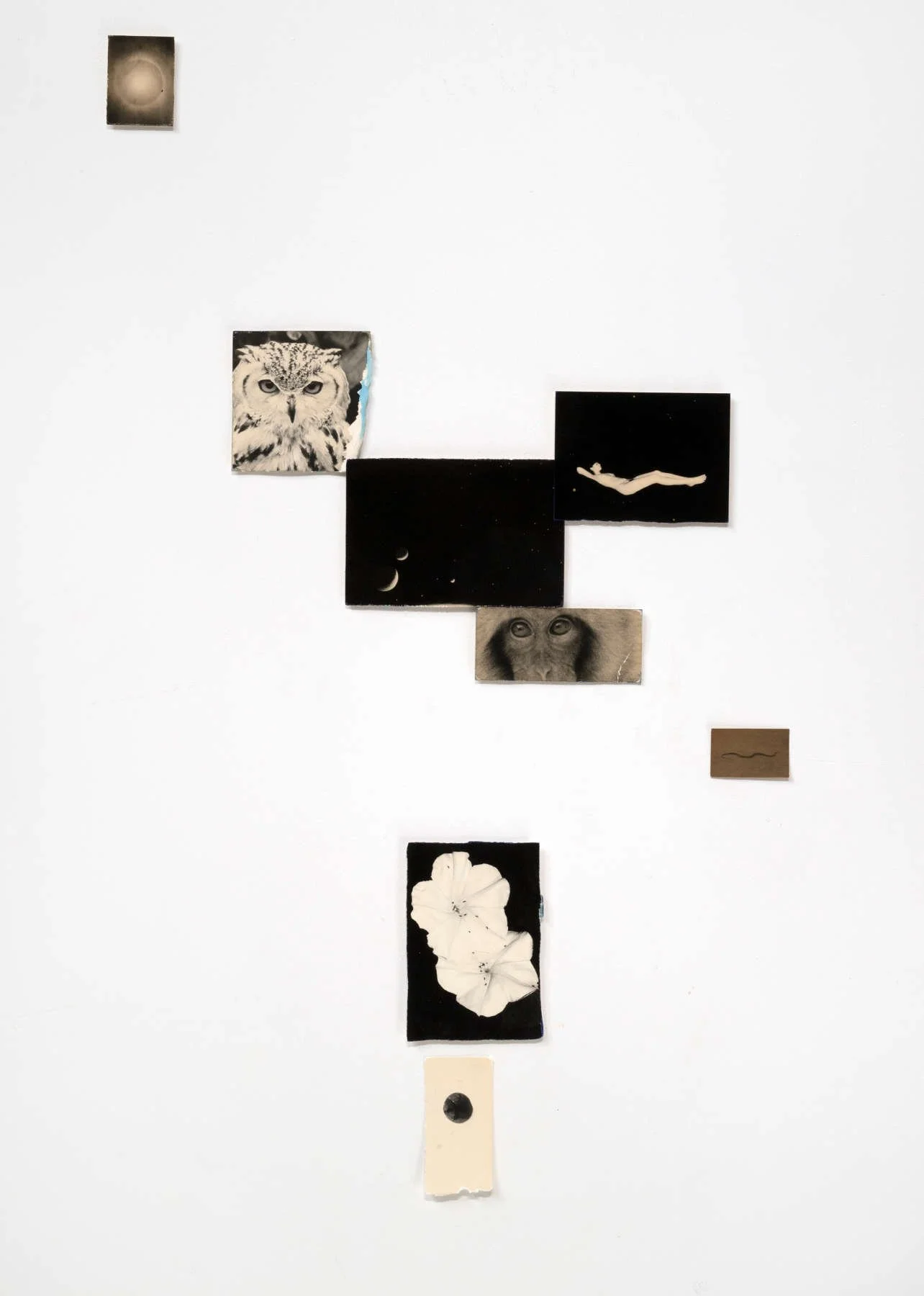
Work by Masao Yamamoto
Yamamoto is a photographer who reminds us that images don’t have to be dramatic or technically perfect to be meaningful. His work is gentle, reflective, and often surprisingly emotional.
In a world of high resolution, razor sharp lenses, and ever bigger prints, his photographs turn back the clock and, at the same time, show the world in a different way.
Yamamoto often prints very small — sometimes only a few inches across — and displays images in groups rather than as single “hero” photographs. The effect is like reading a visual diary or a series of haiku.
His subjects are simple: a bird, a figure, a branch, a quiet landscape, a fleeting gesture.
He isn’t trying to describe the world — he’s trying to evoke how it feels.
He also embraces imperfection. Prints may be toned, creased, stained, or marked. Nothing feels overly polished — and that’s the point.
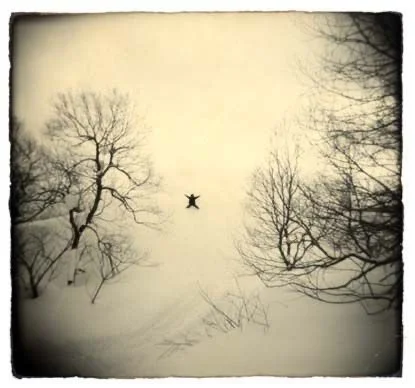
Visual Haiku, Photography by Masao Yamamoto
Why this resonates
I spend a lot of time worrying about whether my images are sharp enough, clean enough, or “good enough”. Yamamoto asks another question:
“Does the photograph carry a feeling?”
If it does, then the quality of the image does not matter. This is another aspect of the discussion we had at our last meeting’ the head of Instagram suggested a move towards imperfection as a response to images generated by AI.
A personal reflection — from obsolete electronics to memory
In a search for inspiration for my assignment based upon Yamamoto, I found myself looking at a box of “electronic junk” I am gathering together for recycling. Old cables, broken speakers, a redundant phone, and even a long-retired Bose CD/radio: at first glance they are just clutter but through a Yamamoto lens they become something else: traces of time passing, objects that once had purpose, now quietly fading into obsolescence.
The Bose CD/Radio has sat forgotten on top of a wardrobe since we moved in; expensive in its day, sculptural in appearance, it now has no useful purpose in an age of streaming and digital audio broadcasting.
It now becomes the first of 3 images for my current assignment.
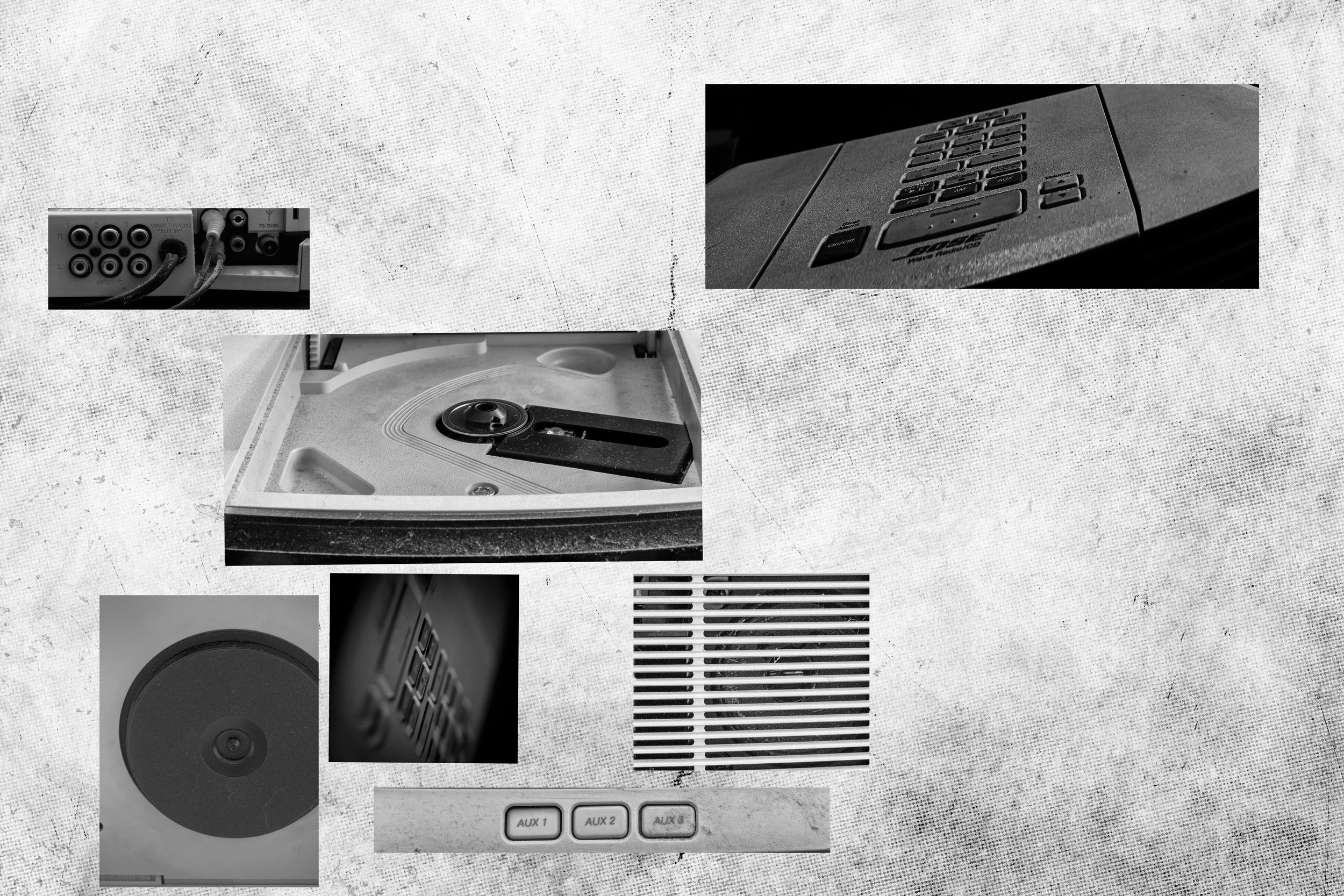
Obsolescence, Vic Steadman