Sunrise with a Mobile Phone – Working at the Edge of Dynamic Range
Yesterday’s sunrise was one of those moments that reminds us why we keep a camera close at hand — even if that camera happens to be a phone.
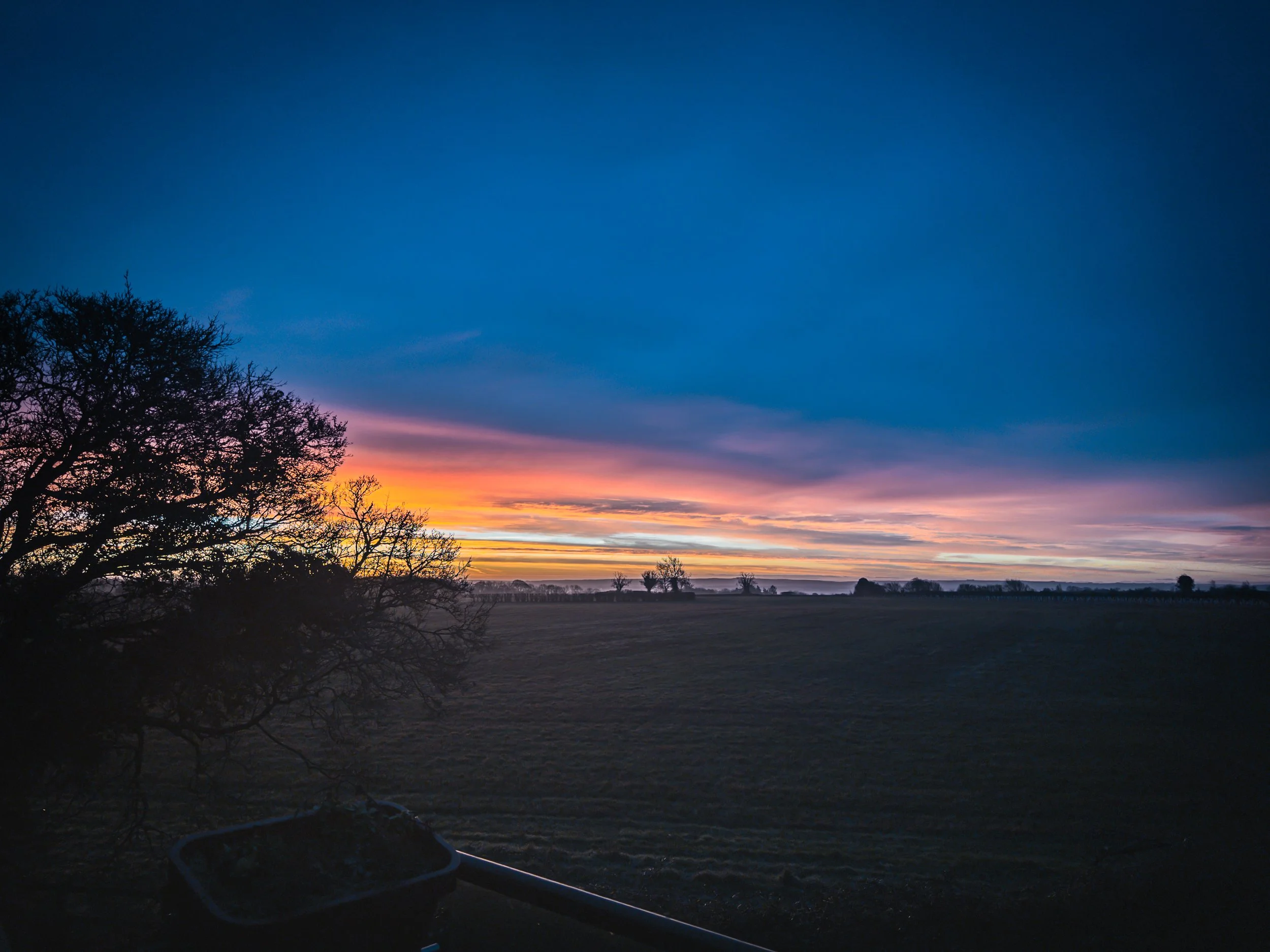
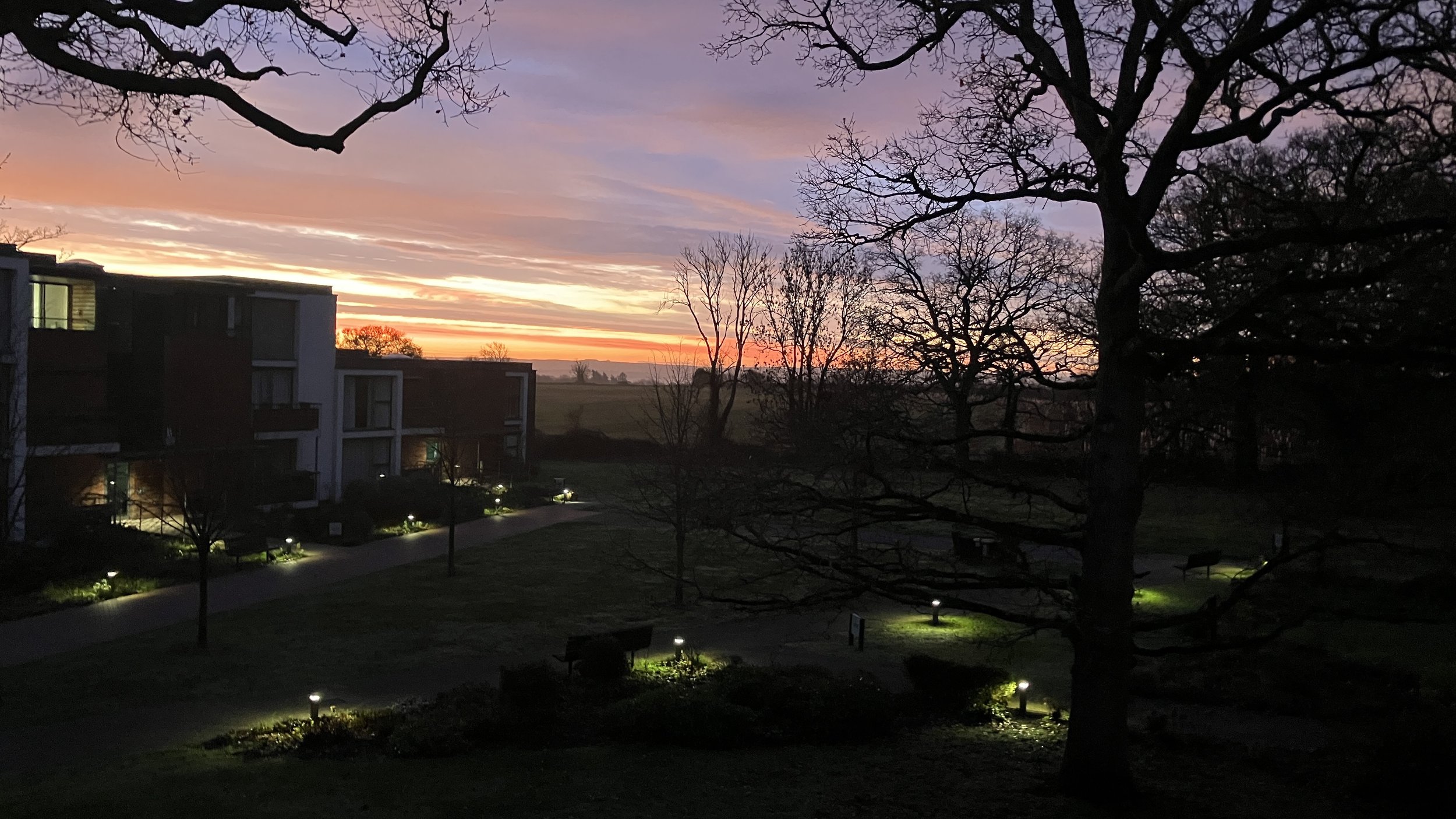
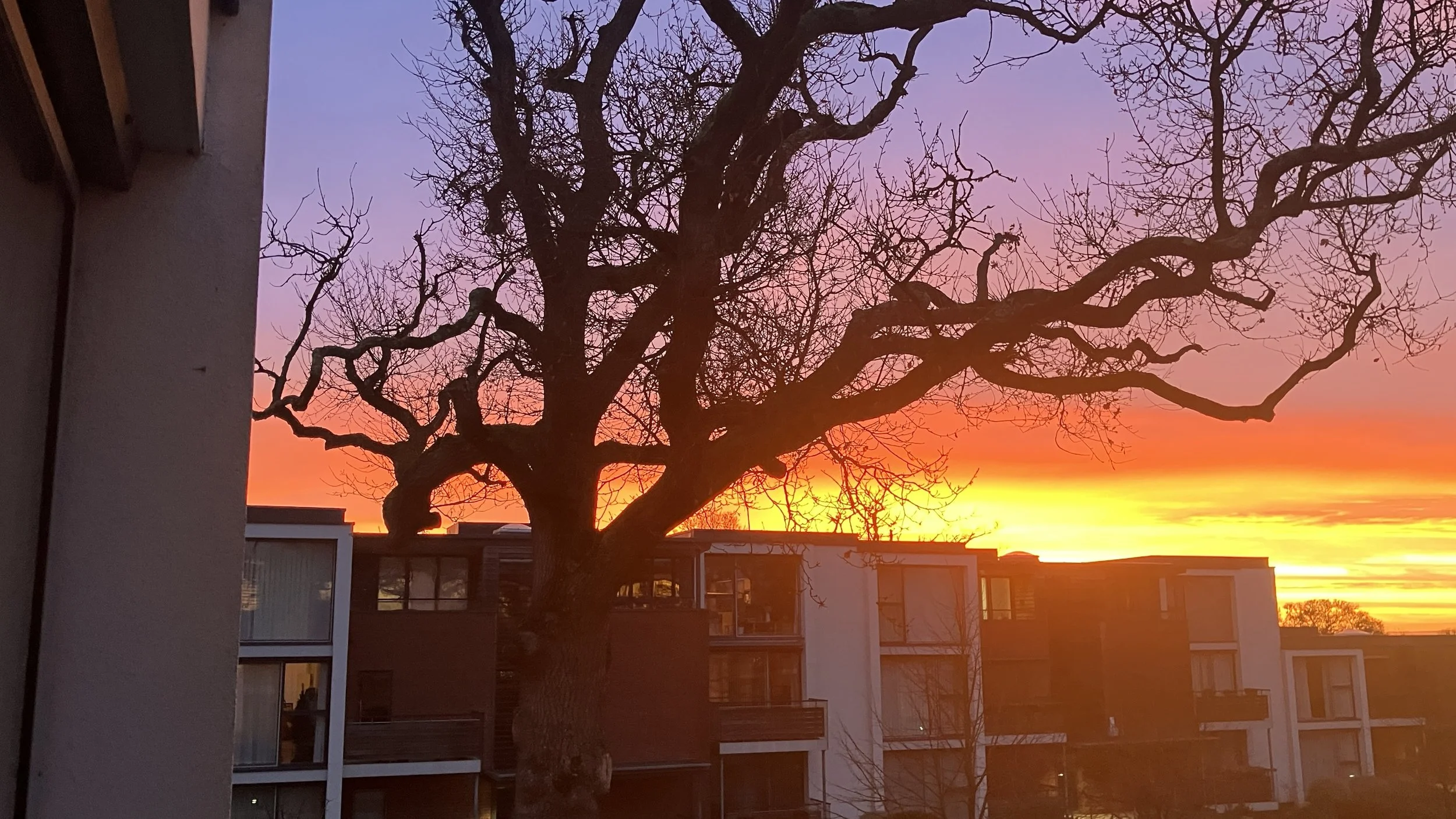
I’ve included three images here:
• one taken on my iPhone using Project Indigo, and
• two taken by Norman using the standard iPhone Camera app.
All three were made within minutes of each other, yet they look noticeably different. The reason is simple — sunrise is one of the hardest lighting situations a mobile phone camera has to deal with. It is also one of the most popular subjects on the club upload folder!
The Dynamic Range Problem
At sunrise the scene contains two extremes:
a very bright sky around the sun, often several stops brighter than mid-tones
a foreground that is still largely in shadow
Our eyes cope effortlessly.
Phone cameras do not.
Mobile phones have impressive computational photography, but they are still constrained by:
small sensors
limited native dynamic range
aggressive automatic processing
As a result, something usually has to give:
the sky clips and loses colour, or
the foreground is lifted unnaturally, or
contrast and subtle tonal transitions are compressed.
You can see these trade-offs playing out differently in the images here.
Project Indigo vs the Standard Camera App
Project Indigo is interesting because it deliberately steps back from heavy-handed processing. It gives a more restrained, sometimes flatter file, but one that often retains more highlight information and feels closer to a traditional photographic negative.
The standard Camera app, by contrast, is trying very hard to produce an immediately “pleasing” image:
shadows are lifted
colours are intensified
local contrast is boosted
Neither approach is right or wrong. They simply reflect different priorities — and different ideas about what a photograph should look like.
Composing for What the Phone Can Handle
When photographing sunrise with a phone, it often helps to:
accept silhouettes rather than fight them
let the foreground go dark if the sky is the story
simplify compositions so the eye is drawn to shape, colour and gradation rather than detail everywhere
Trying to make a phone capture everything your eye can see is usually a losing battle. Designing the image around what it can record is far more productive.
A Useful Exercise
Sunrise is a great subject for experimenting because:
the light changes quickly
you can take multiple frames in minutes
different apps and modes give visibly different results
Try shooting the same scene:
with the standard camera app
with an alternative camera app
with exposure nudged darker than the phone suggests
Then compare the results. The differences are often more instructive than the images themselves.
Final Thought
Mobile phones are extraordinary tools, but they still obey the laws of physics. Sunrise reminds us that photography is always a negotiation between light, sensor, and intent.
Sometimes the most successful image isn’t the one that shows everything — but the one that chooses what to leave in shadow. In this version, I chose to go for heavy shadow silhouette style.
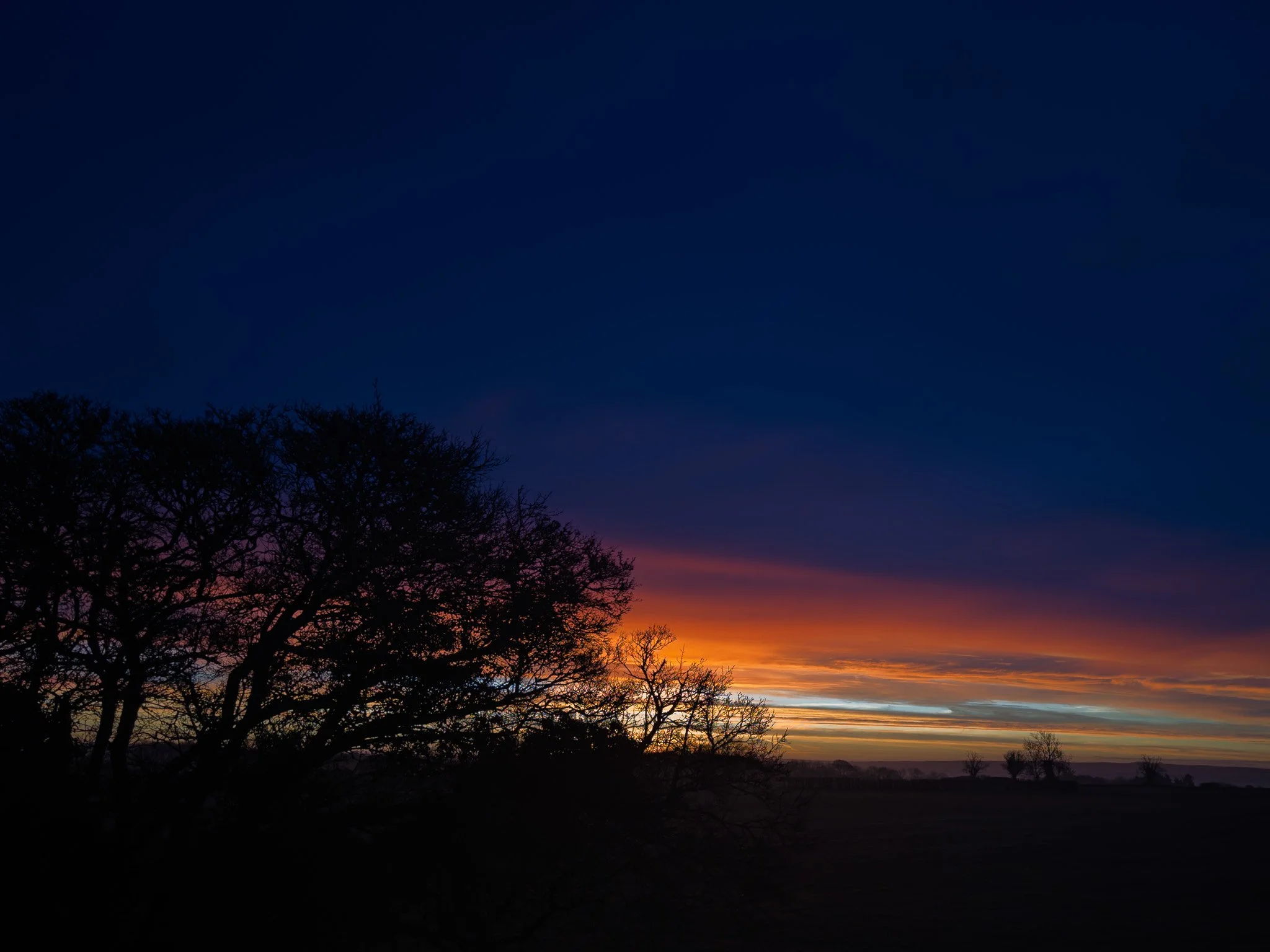
Image: Vic