The Right Way!
For around a year now I’ve been working with Simon Ellingworth on his creative mono course. One of the strongest and most consistent messages he reinforces is this: experiment, be curious, be novel, and above all, be prepared to break the rules. That might mean questioning exposure norms, ignoring compositional conventions, or choosing subjects that feel uncomfortable or unconventional.
Alongside the practical work, I do a lot of reading about photography — partly for my own development, partly to support this blog and our weekly WGPC emails. And increasingly, that reading has sharpened my discomfort with much of what passes for “critique” in online photography spaces, particularly on Facebook.
So much of it feels relentlessly rules-based.
Subjects must sit on thirds.
They must face into the frame.
There must be three strong elements — never two.
Eyes must be open.
Colours must be natural.
Editing is suspect.
AI editing is heresy.
What worries me most is not that these ideas exist — every craft has conventions — but that they are often presented as immutable truths. Worse, they are frequently imposed by more experienced photographers onto newcomers, as if photography were a test to be passed rather than a language to be learned.
In our mono course group, a phrase comes up again and again:
“The camera club judges wouldn’t like that.”
We usually say it with a smile — and then carry on anyway.
Because while a judge might not like it, we often do. Or at least some of us do. And that matters. Many of us have grown tired of the safe, technically competent, endlessly familiar images that conform perfectly to the “club standard” yet leave us feeling nothing. A successful photograph, to my mind, is not one that offends nobody — it’s one that makes someone stop, think, question their own expectations.
If only one person in the room responds to it, that image has already succeeded.
Failure, too, has been unfairly maligned. Experimentation inevitably produces work that doesn’t quite land, that stretches too far, or veers off in the wrong direction. But that is not wasted effort — it’s the only route to discovering where the boundaries actually are. Occasionally, the reward is that wonderful, understated response:
“That’s different, I like it!”
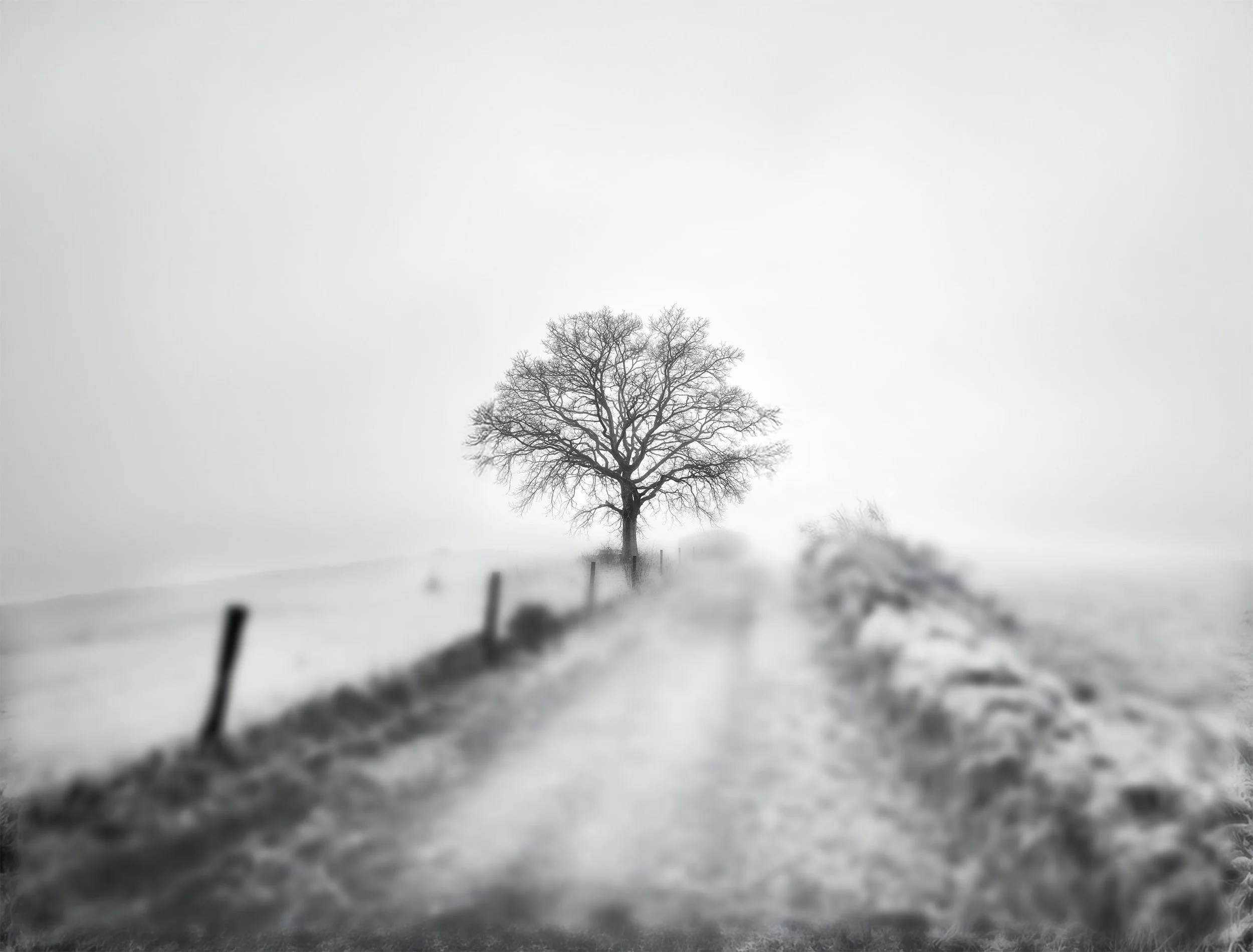
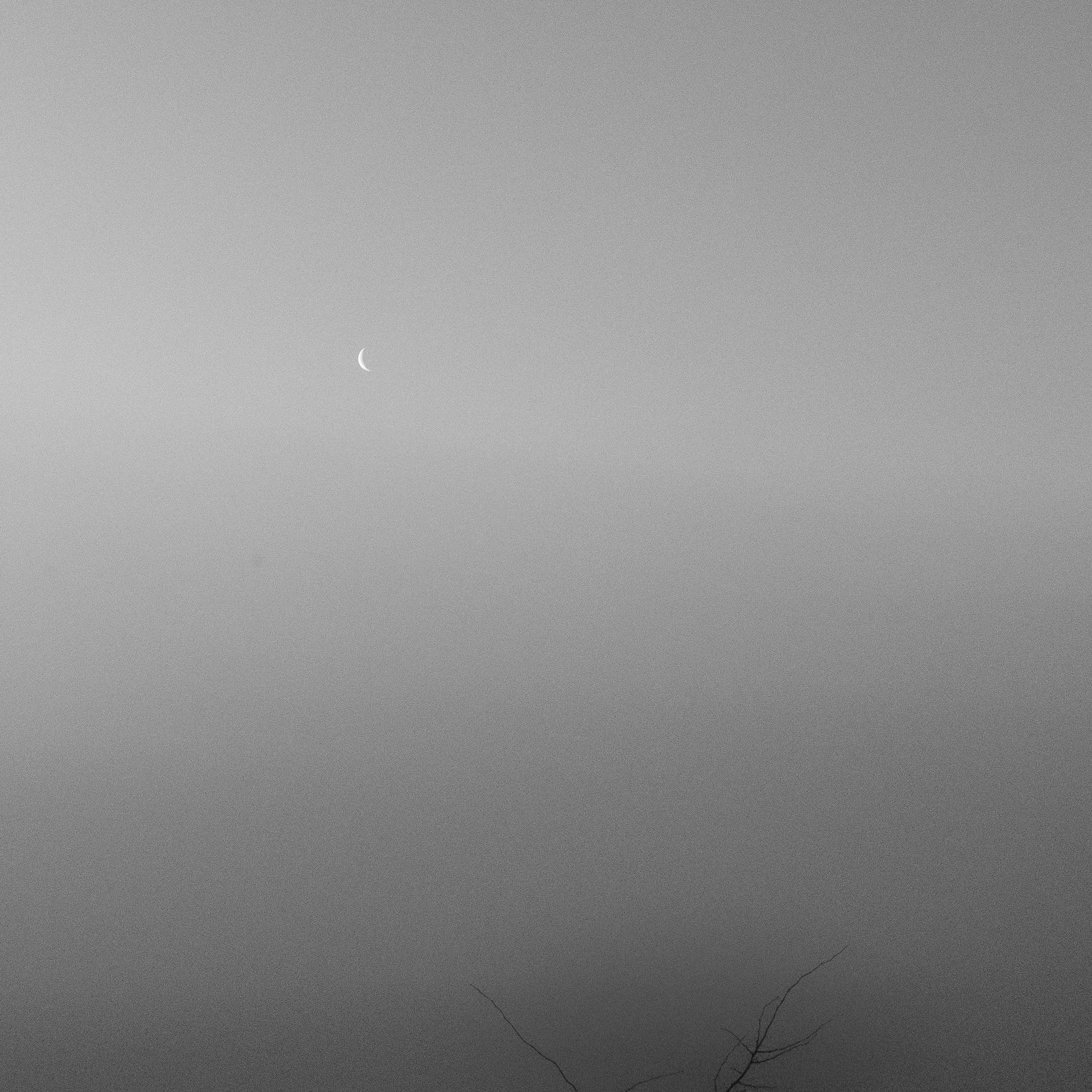
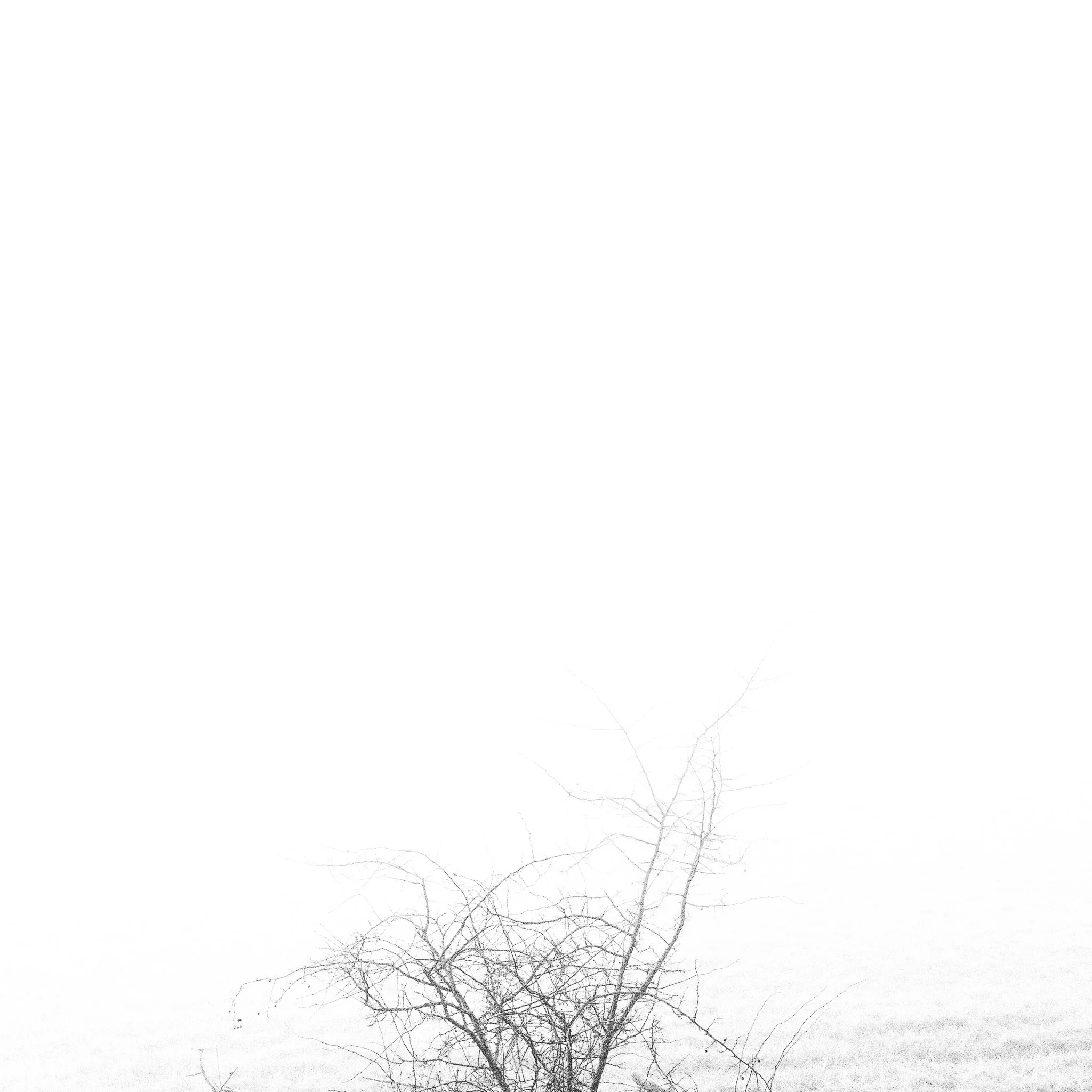
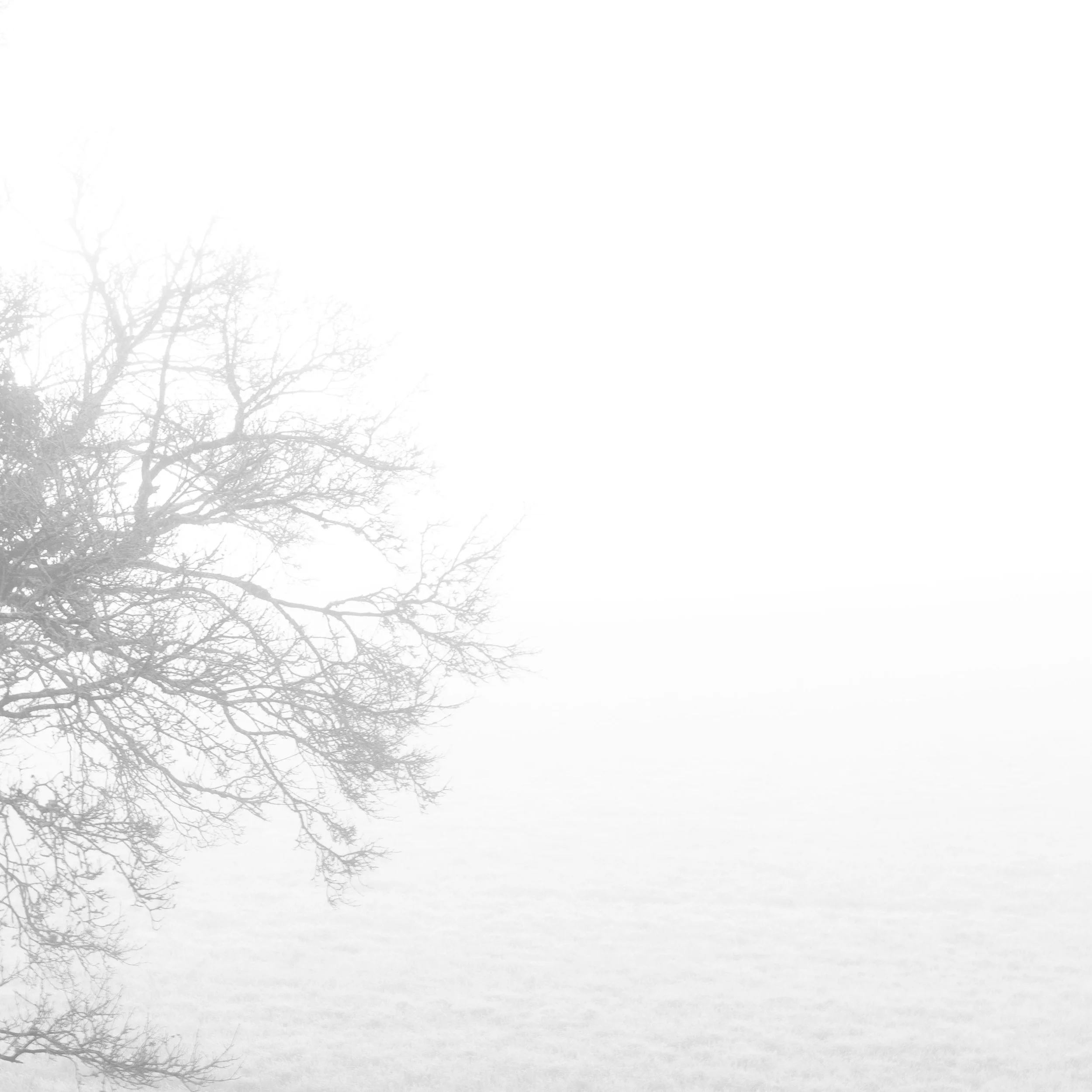
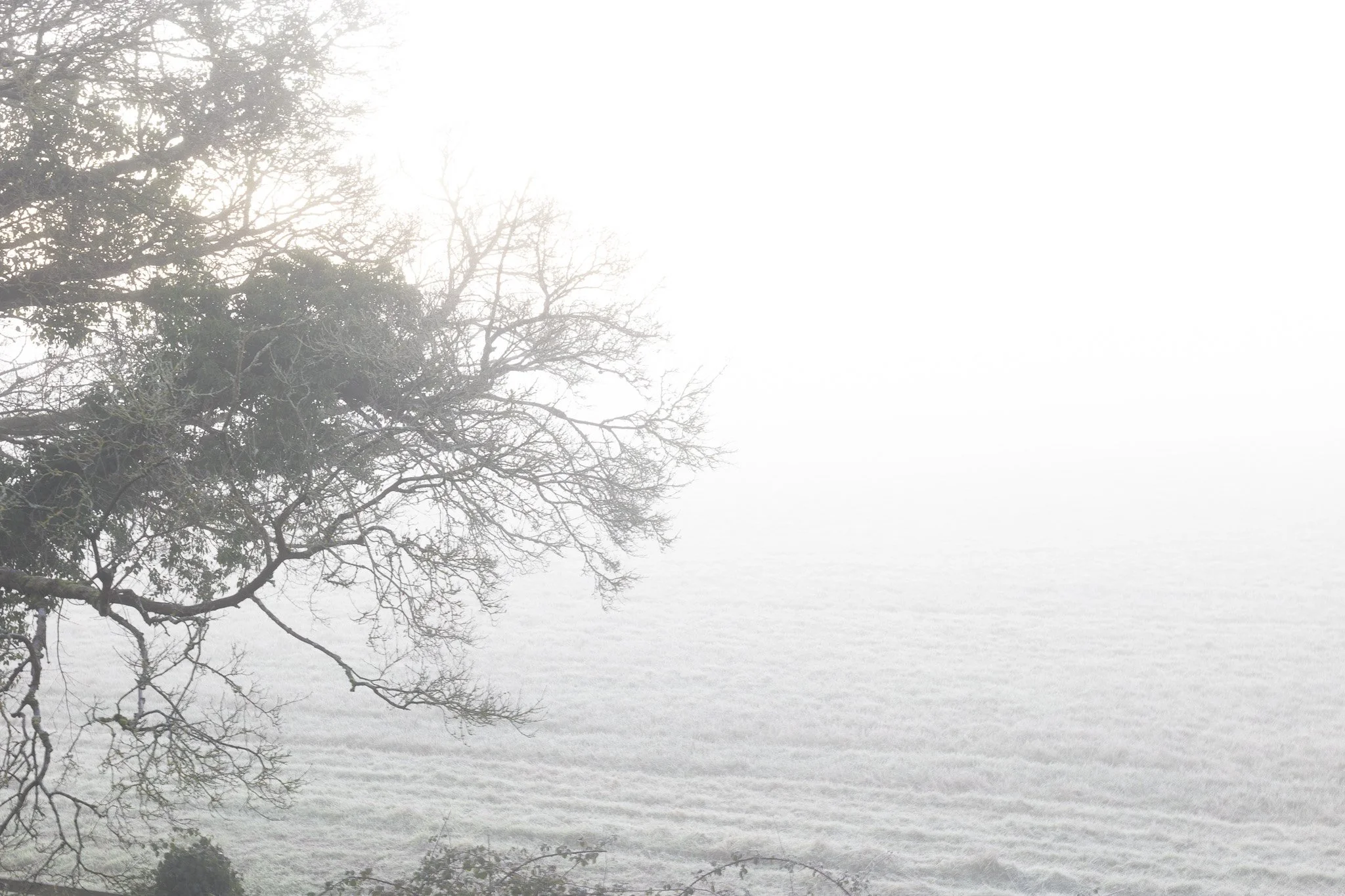
Recently my own work has been moving towards a more minimalist direction. I’ve been using over-exposure and black-and-white conversion deliberately, not as technical errors to be corrected but as creative tools to simplify, reduce, and abstract. In one WGPC album comment I wrote, half-jokingly:
“Who would photograph morning mist in black and white?”
The answer, it turns out, is me — and a few others in my study group.
Have these images produced a masterpiece? Almost certainly not. But that was never really the point. What they may have done is push my thinking just far enough to reveal new possibilities — to suggest that there is something worth exploring in that space between “correct” and “acceptable”.
That, ultimately, is what I want to encourage.
Explore.
Innovate.
Take risks.
Don’t lose heart if the first response to your work is confusion, silence, or even mild disapproval. Photography is not about finding the right way — it’s about discovering your way.
The images accompanying this article are part of that ongoing exploration. They are not conclusions; they are questions. And for me, that’s exactly where photography becomes interesting.