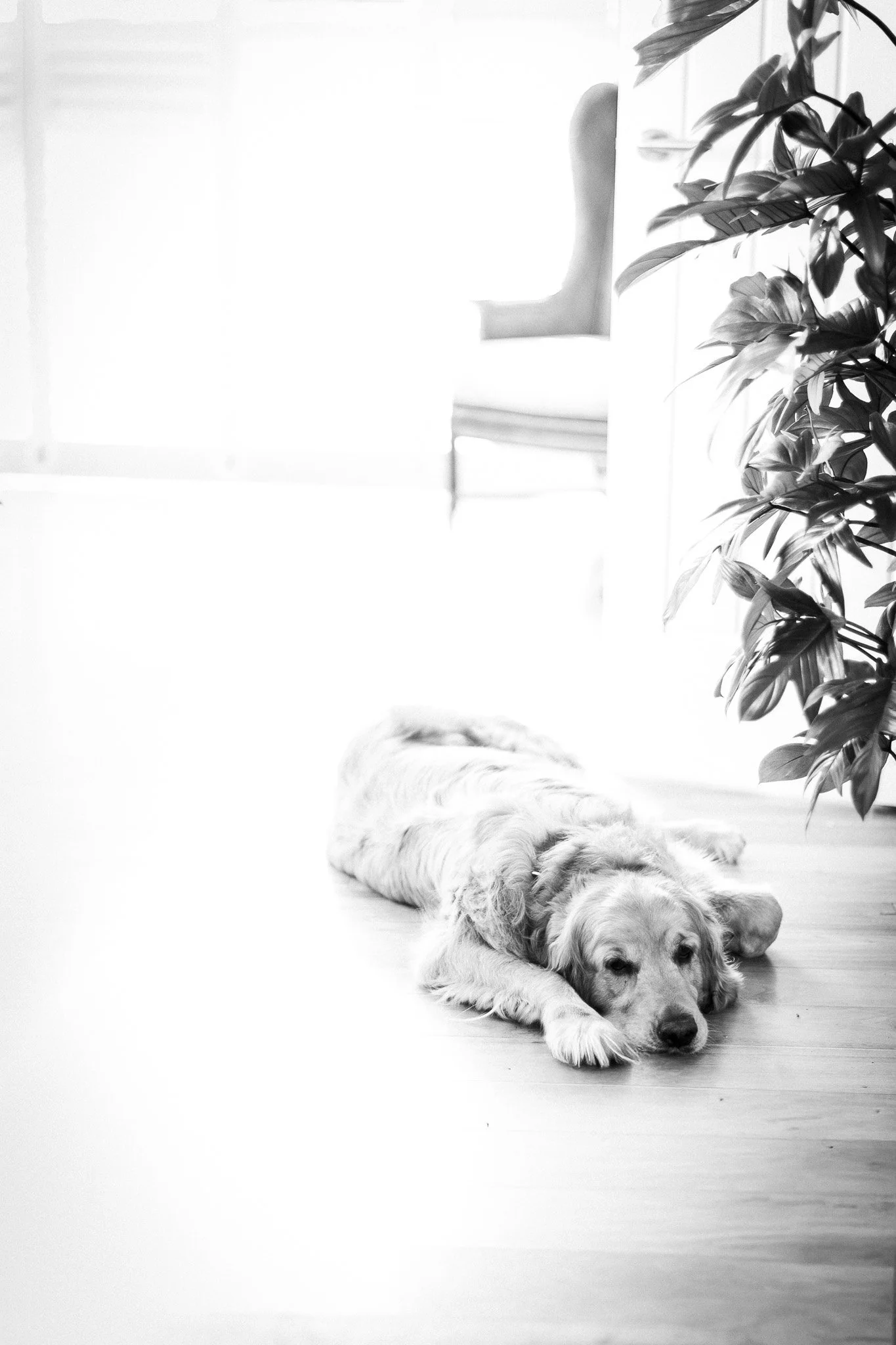
Lying in the Shade
Taken with Adobe Project Indigo. The extreme highlights, obstructed viewpoint and unconventional composition might trouble an automated critic—but are they faults, or part of what gives the photograph its character?
I was intrigued this week to read Adobe’s announcement of an experimental AI Playground for its Project Indigo camera app.
I am already a great fan of Indigo, particularly for its impressive low-light performance. In many situations, I prefer its results to those from Apple’s standard Camera app. Originally launched for the iPhone and now also available on the iPad, Indigo combines computational photography with extensive manual controls and aims to produce a more natural, camera-like image.
The new AI Playground takes the app in a rather different direction. Among its experimental features is “Photo Guidance”, which can critique a photograph immediately after it has been taken. It identifies strengths and weaknesses and can suggest either edits or ways of reshooting the image. Because the photographer may still be standing in front of the subject, there is an opportunity to act on the advice straight away.
At present, Adobe is offering the Playground to only a few per cent of Indigo users for a limited trial—and I am not one of the fortunate few. Nevertheless, the idea raises an interesting question.
For someone learning photography, immediate feedback could be extremely helpful. A beginner might be prompted to simplify a distracting background, reconsider the position of the subject, try another viewpoint or pay more attention to the light. Used thoughtfully, it could become a patient photographic tutor that is always available.
But what exactly has that tutor been taught?
An AI system learns from large collections of existing images and from established ideas about what makes a photograph “successful”. Its advice may therefore favour familiar conventions: the rule of thirds, clean backgrounds, balanced compositions, sharp subjects and technically controlled exposures.
These principles are useful, but they are not laws. Many memorable photographs succeed precisely because their creators ignored accepted practice. Subjects may be placed awkwardly, horizons tilted, highlights allowed to burn out or movement deliberately blurred. A photograph may be cluttered, unsettling or ambiguous because that is what the photographer intended.
The photograph accompanying this article was taken with Indigo. It breaks several of the rules an automated critic might be expected to apply. Much of the frame is extremely bright, the viewpoint is partly obstructed and the dog occupies only a relatively small area near the bottom of the picture. Yet I like the result. Its high-key treatment and generous empty space give it a quiet, almost dreamlike quality. Correcting its apparent faults might produce a more conventional photograph—but not necessarily a better one.
There is therefore a danger that, if we follow an AI critique too obediently, our pictures could become technically competent but increasingly alike. Innovation often begins when somebody recognises the conventional answer—and decides not to accept it.
Perhaps the best way to treat AI criticism is much as we would treat comments from another photographer: listen carefully, consider the reasoning, but retain the final decision. “Improving” a photograph is not always the same as making it more interesting.
I would certainly like to try Adobe’s new feature, and I can see considerable educational value in it. But I hope it encourages photographers to ask why a suggestion has been made, rather than simply directing them towards a standardised idea of the perfect image.
AI may become a useful companion behind the camera. It should not, however, be allowed to become the photographer.
Further information: Adobe Research—An AI Playground for the Project Indigo camera app