Less / More is More
Those of you who have been reading my emails and blog posts for some time may have noticed that I appear to live by two conflicting mantras: Less is More and More is More. At first glance they seem contradictory, but in photography I have come to realise that both can be true at the same time.
Less is More
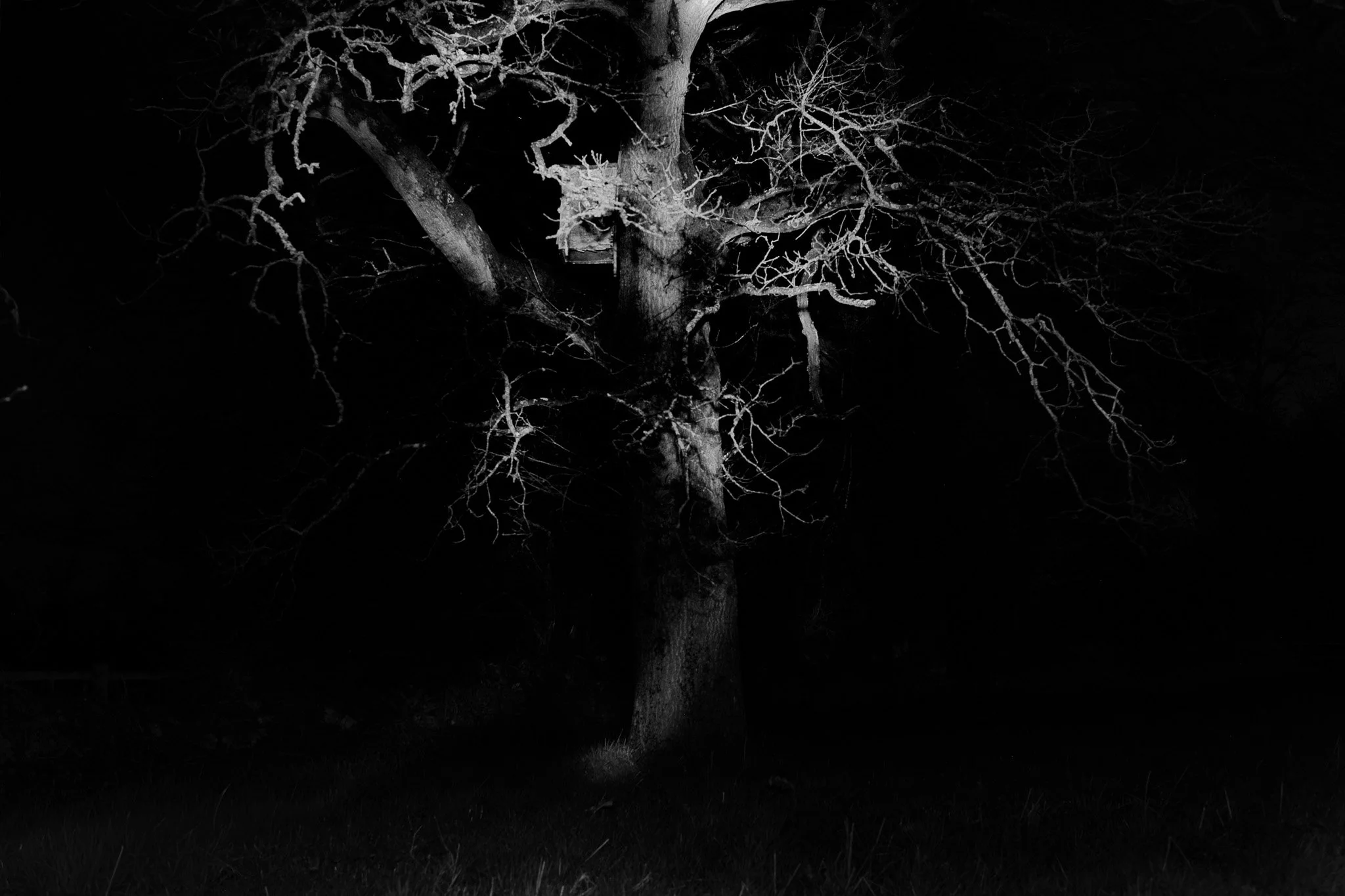
A minimalist study of form, light and structure in an oak tree
I am a great fan of minimalism in my photography. Minimalism is about stripping an image back to its essentials—removing distractions and focusing on a single idea, shape, or subject. It is not simply about having “less” in the frame, but about being deliberate in what we choose to include and, just as importantly, what we exclude.
A minimalist photograph often relies on strong composition, careful use of negative space, and an emphasis on light, texture, and form. By simplifying the scene, we guide the viewer’s eye and make the message clearer. There is nowhere for the subject to hide and nothing competing for attention.
In many ways, minimalism is about discipline. It requires us to slow down, to look harder, and to ask ourselves: what is this photograph really about? When it works, the result can be powerful—an image that says more by showing less.
More is More
And yet, when we visit an exhibition or pick up a photobook, we rarely engage with just a single image. We experience a collection. When that collection is well curated, the images relate to one another—through subject matter, style, mood, or technique—and together they create something greater than the sum of their parts.
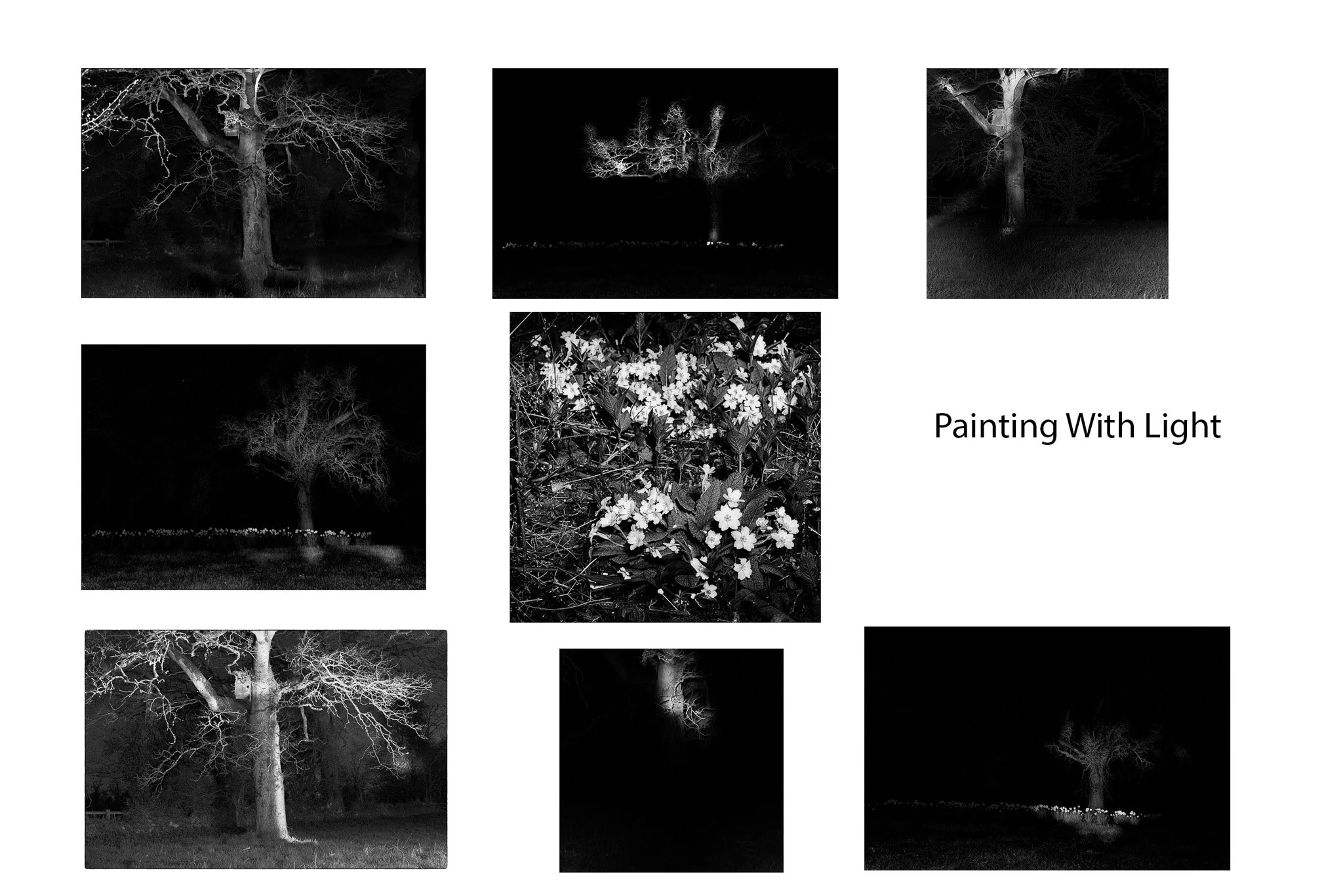
A panel - one night in the garden
This is where More is More comes in. A sequence of images can build a narrative, explore a theme, or reinforce an idea in a way that a single frame cannot. One image might introduce a concept, another develops it, and a third provides contrast or resolution.
I am increasingly finding that while my individual photographs contain less and less, I am thinking more and more about projects, panels, and bodies of work rather than isolated images. The act of selection becomes as important as the act of taking the photograph. Which images belong together? What order should they be shown in? How do they “speak” to each other?
When presenting panels, the selection and sequencing of images is crucial. A strong set of images can be weakened by poor ordering, while a thoughtful sequence can elevate a group of modest images into something engaging and coherent.
Bringing the Two Together
So perhaps these two mantras are not in conflict after all. Minimalism helps us create stronger individual images—clear, focused, and intentional. Curation and sequencing allow us to combine those images into something richer and more meaningful.
“Less in the frame… more in the story.”